ปัญหาที่เจอ: เมื่อ AI ต้องคิดและคำนวณในภาษาที่ไม่ใช่ภาษาอังกฤษ จะมีความแม่นยำยังลดลง
ทุกวันนี้ AI ฉลาดมาก แต่ยังมีจุดอ่อนเวลาต้องแก้โจทย์คณิตศาสตร์ที่ซับซ้อนและต้องคิดหลายขั้นตอน โดยเฉพาะเมื่อโจทย์ไม่ได้เป็นภาษาอังกฤษ
วิธีดั้งเดิมคือ AI จะพยายาม “คิดเป็นขั้นตอนด้วยภาษา” พร้อมกับ “คำนวณคำตอบ” ไปในเวลาเดียวกัน แต่เมื่อเจอกับภาษาที่ไม่คุ้นเคย AI มักสับสนและทำให้เกิดข้อผิดพลาดได้ง่าย
วิธีแก้ที่น่าสนใจ: สอนให้ AI เขียนโค้ด
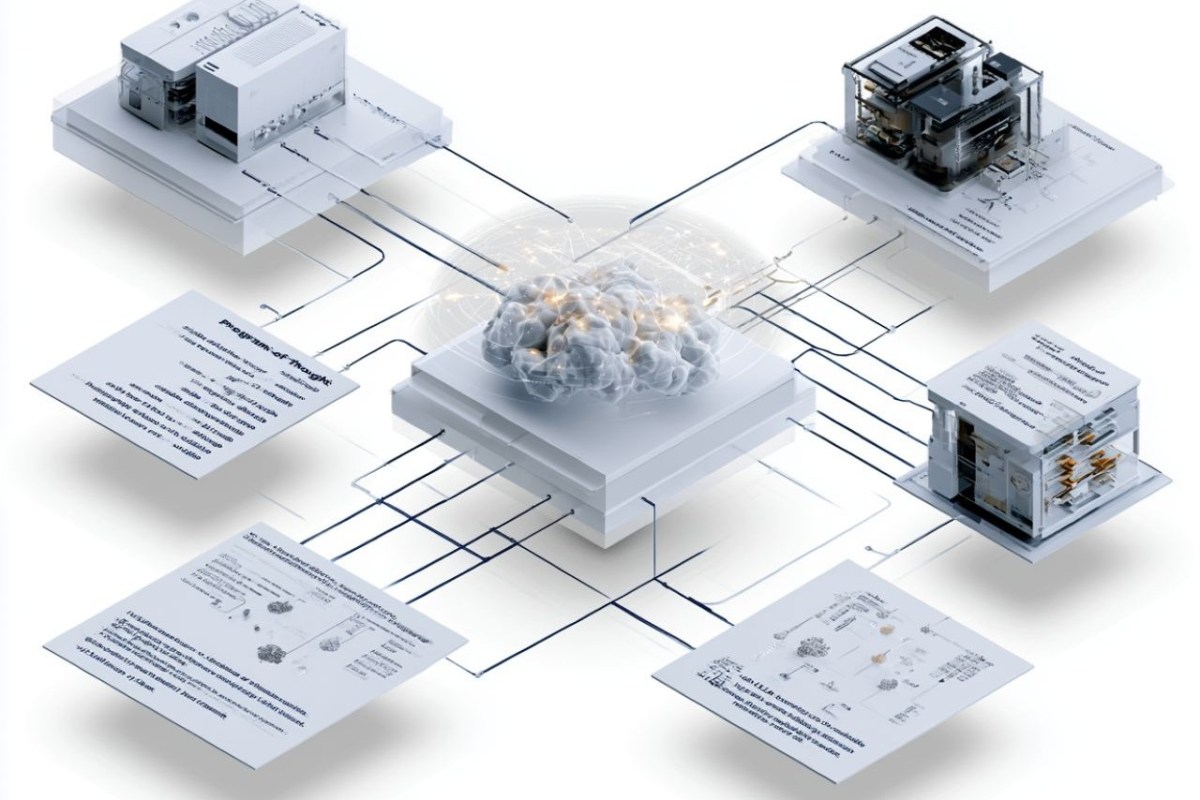
นักวิจัยจึงทดลองใช้วิธีที่เรียกว่า Program-of-Thought (PoT)
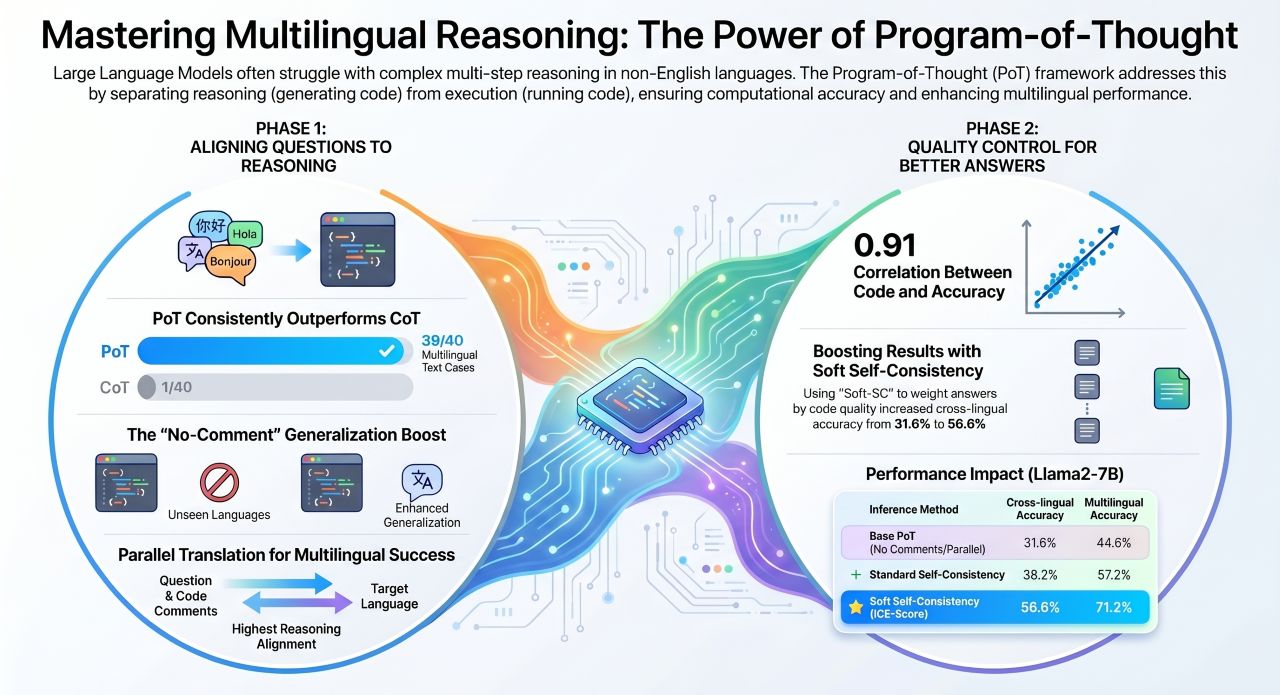
แทนที่จะให้ AI คิดและคำนวณเองทั้งหมด วิธีนี้ให้ AI ทำหน้าที่เพียง เขียนโปรแกรม (ภาษา Python) เพื่อวางลำดับการคิดและขั้นตอนการแก้โจทย์
หลังจากนั้น โปรแกรมคอมพิวเตอร์จะรับหน้าที่คำนวณและหาคำตอบสุดท้ายแทน
แนวทางนี้ช่วยให้ AI ไม่ต้องเสียพลังไปกับการคำนวณ แต่โฟกัสที่ “ตรรกะและการวางขั้นตอน” ทำให้ปัญหาเรื่องภาษาเกิดขึ้นน้อยลง
เคล็ดลับสำคัญ: วิธีฝึก AI ให้ได้ผลดีที่สุด
เวลาคนเขียนโค้ด เรามักใส่ข้อความอธิบายเล็ก ๆ ในโค้ดที่เรียกว่า “คอมเมนต์ (comments)”
นักวิจัยพบว่า การใช้คอมเมนต์มีผลต่อความสามารถของ AI ดังนี้:
- สำหรับ AI ที่ฝึกด้วยภาษาอังกฤษอย่างเดียว:
ถ้าต้องการให้ AI ไปทำงานกับภาษาใหม่ ๆ การ ลบคอมเมนต์ออกทั้งหมด กลับให้ผลดีกว่า เพราะ AI จะไม่ถูกรบกวนด้วยข้อความภาษาอังกฤษ และสามารถปรับตัวกับภาษาใหม่ได้ดีขึ้น - สำหรับ AI ที่ฝึกหลายภาษาตั้งแต่แรก:
ถ้า แปลคอมเมนต์ให้เป็นภาษาที่กำลังใช้งานอยู่ จะช่วยให้ AI ทำผลงานได้ดีที่สุด
เทคนิคตรวจคุณภาพ: เลือกโค้ดที่ดีที่สุด
อีกหนึ่งสิ่งที่นักวิจัยค้นพบคือ
ถ้า AI เขียนโค้ดได้ดี คำตอบคณิตศาสตร์สุดท้ายก็มักจะถูกต้องตามไปด้วย
พวกเขาจึงใช้ระบบตรวจคุณภาพอัตโนมัติ โดยให้ AI เขียนวิธีแก้โจทย์ได้สูงสุด 40 แบบ สำหรับโจทย์เดียว จากนั้นระบบจะให้คะแนนแต่ละโค้ด แล้วเลือกคำตอบจากโค้ดที่ได้คะแนนสูงที่สุด
เทคนิคนี้ช่วยเพิ่มความแม่นยำอย่างมาก — ในการทดลองหนึ่ง อัตราความสำเร็จของ AI เพิ่มจาก 31.6% เป็น 56.6%
ทำไมเรื่องนี้ถึงสำคัญ
งานวิจัยนี้แสดงให้เห็นว่า การให้ AI ทำหน้าที่เหมือน “นักเขียนโปรแกรม” แทนการคำนวณทุกอย่างด้วยตัวเอง เป็นวิธีที่มีประสิทธิภาพกว่ามากในการแก้ปัญหาซับซ้อนในหลายภาษา
นี่เป็นอีกก้าวสำคัญที่จะช่วยให้ AI ขั้นสูงสามารถใช้งานได้กับผู้คนทั่วโลก ไม่ว่าพวกเขาจะพูดภาษาอะไร
Researcher: