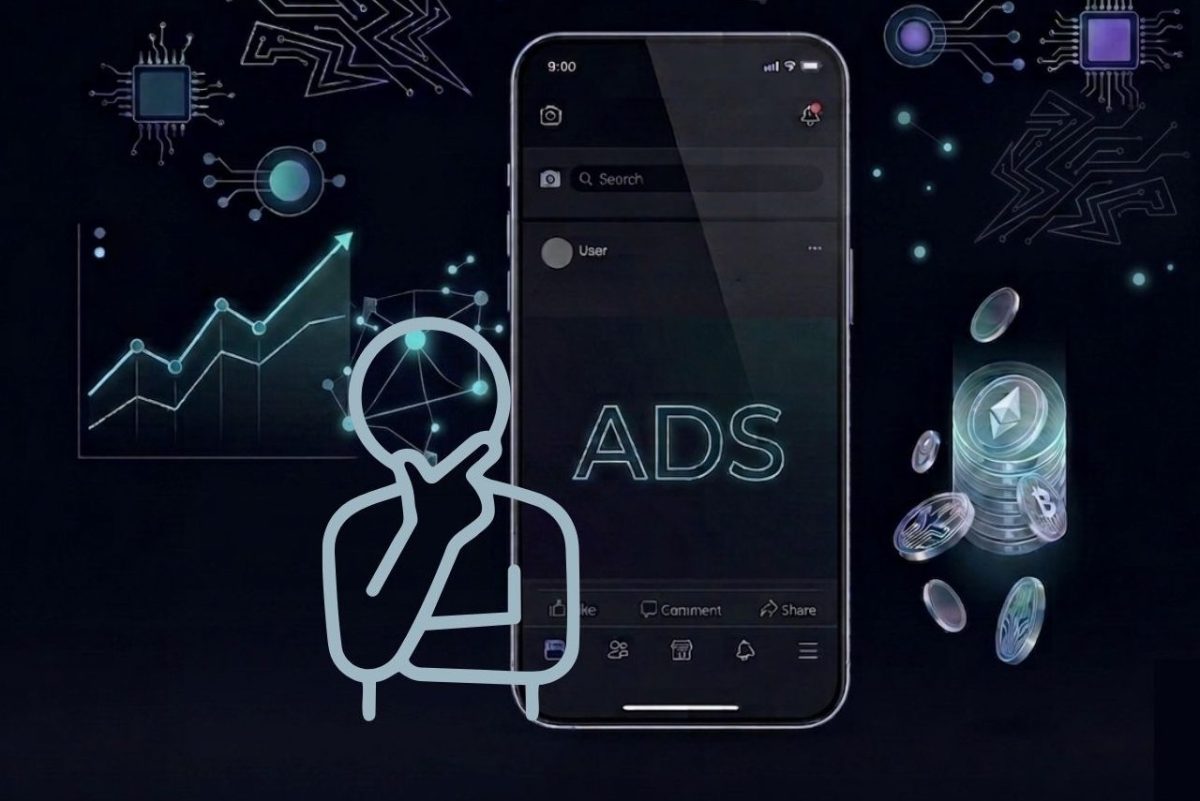
Marketing teams constantly face a difficult question: which advertisement will generate the highest engagement from customers?
Traditionally, the process of testing advertisements is both slow and resource intensive.
First, marketing teams manually design multiple advertisement creatives such as graphics, banners, or promotional visuals. These creatives are then sent to the compliance team for review to ensure they meet regulatory and brand standards. Once approved, the advertisements are deployed to real customers in order to measure performance metrics such as Click Through Rate (CTR).
While this process works, it comes with several major limitations.
- Human limitations in content generation
There is a natural limit to how many advertisement variations a team can produce manually. Designing and iterating on graphics requires time and creative effort, which constrains how many ideas can realistically be tested.
- Lack of directional insight
Traditional A B testing produces performance metrics such as CTR, but it does not explain why an advertisement performs better. Marketing teams receive results, but not the reasoning behind customer behavior. As a result, improving the next round of advertisements becomes largely guesswork.
- Slow experimentation cycles
The process of compliance review and real customer testing can take approximately one to two weeks before results are available. This slows down iteration and prevents teams from rapidly experimenting with new ideas.
Together, these constraints limit how quickly and effectively marketing teams can refine their advertising strategies.
The Approach: Agent Based Simulation for Advertisement Testing
To address these challenges, SCBX R&D collaborated with Stanford HAI and the SCB Data and AI team to explore a new approach using agent simulation methods.
Instead of testing advertisements directly with real customers in the early stages, we created simulated agents that represent different types of customer personas.
These agents interact with advertisements in a controlled environment, allowing marketing teams to test creative concepts instantly and at scale.
Through this simulation framework, teams can upload advertisement concepts and receive immediate feedback from thousands of simulated agents that mimic real customer behavior.
What Makes Agent Simulation Different
This approach offers several advantages compared to traditional testing methods.
Rapid experimentation
Advertisements can be evaluated immediately without waiting for compliance approval and real customer testing cycles.
Scalable testing
Agent simulations allow marketing teams to evaluate a much larger number of creative variations than would be possible with manual experimentation.
Reasoning driven insights
Beyond ranking advertisements by predicted engagement, the simulated agents also generate explanations for their behavior. They can describe why they would click or ignore a particular advertisement and suggest ways to improve the messaging or design.
This provides marketing teams with actionable insights, not just performance metrics.
From Experimentation to Organizational Impact
This project demonstrates how cutting edge research can be translated into practical tools for business decision making. By combining advanced AI techniques with real world marketing challenges, agent based simulation enables faster experimentation, clearer insights, and more informed decisions.
While the initial application focuses on marketing optimization, the underlying framework has broader potential across the SCBX Group. Similar simulation approaches could support testing and decision making in areas ranging from product design to financial services innovation.
Through collaborations with leading research institutions such as Stanford HAI, SCBX continues to explore how frontier technologies can be applied to real business challenges and translated into practical capabilities that accelerate insight, experimentation, and innovation across the organization.