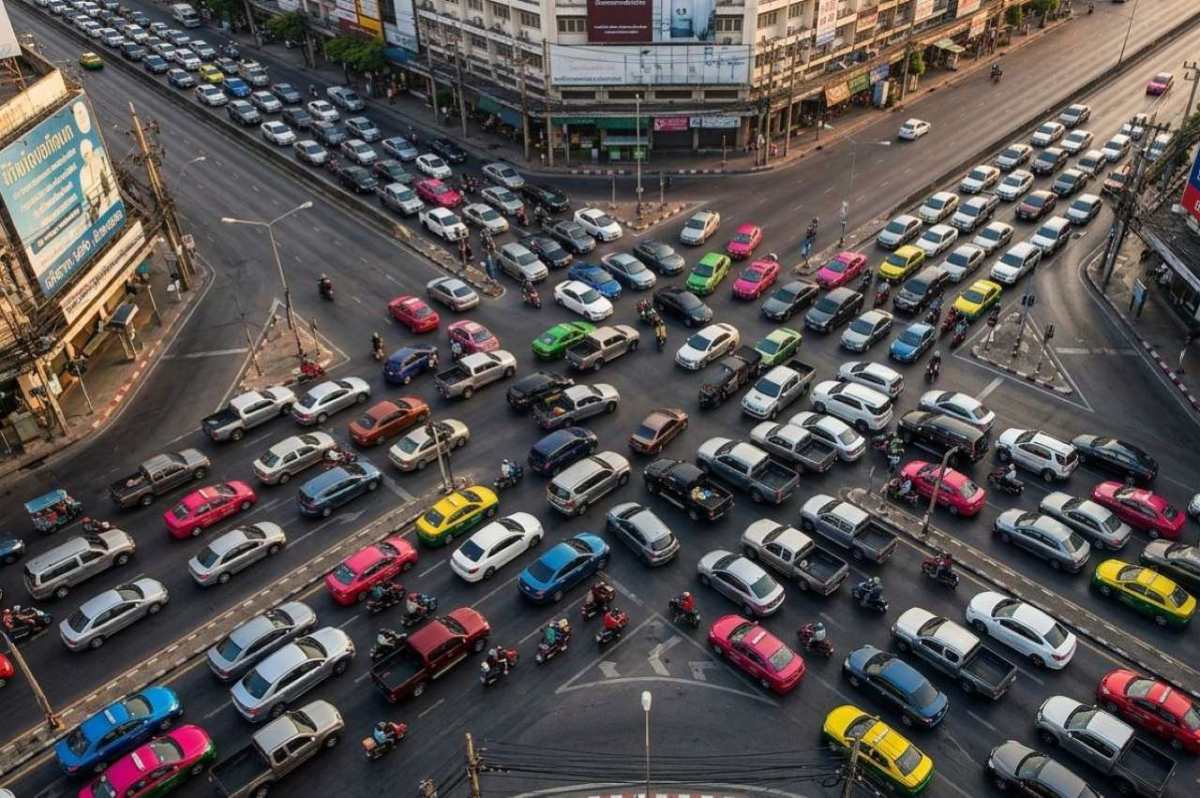
Imagine a city that keeps adding new cars to its roads faster than it can install traffic lights.
The first hundred cars might drive freely. So might the first thousand. But as the streets fill up, the same intersections that used to be quiet start to see near-misses. Some intersections have working lights. Many still don’t. Some drivers are patient. Others are not. Before long, the mismatch between how many cars are on the road and how much coordination exists to guide them starts to show.
Artificial intelligence is entering a similar stage.
The world does not lack AI governance entirely. We have laws, policies, internal review committees, ethics guidelines, and industry standards. But governance is not being built at anywhere near the pace new AI systems are being deployed. Every week, more autonomous agents, more embedded models, and more workflows powered by AI enter organizations, industries, and public life. The traffic lights we have are real. There are simply not enough of them, and they are not going up fast enough.
The question is beginning to change. We are no longer only asking, “How do we build smarter AI?” We are also asking, “How do we make sure that increasingly autonomous AI systems make decisions that are safe, transparent, and worthy of trust?”
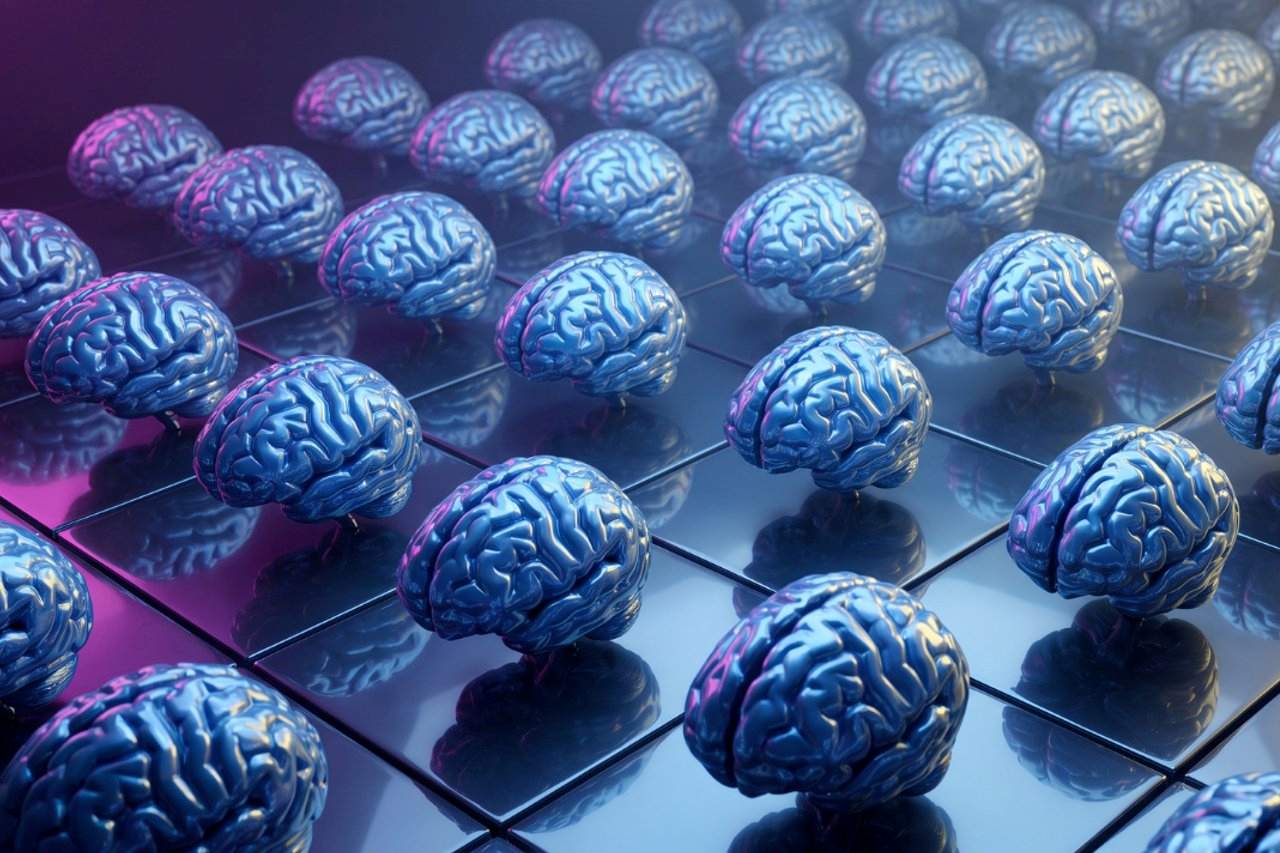
The risk today is no longer that AI cannot think. It is that AI is beginning to think on our behalf.
This shift is already visible everywhere. In a global study of more than 48,000 employees across 47 countries, KPMG and the University of Melbourne found that 58% of workers now use AI intentionally at work. But more than half admit AI has caused them to make mistakes, and 58% rely on its output without properly checking it. The same pattern is echoing across Southeast Asia, where a recent ASEAN Economic Community dialogue found 85% of organizations adopting AI while 47% say they are more worried than excited about it.
Thailand is squarely inside this pattern. AI adoption is accelerating across financial services, healthcare, education, and government. And unlike a few years ago, Thailand is now moving to build the governance to match. On July 2, ETDA released a revised draft AI Act for public consultation, adopting a risk-based framework inspired by the EU AI Act while tailoring it for Thailand. It introduces regulatory sandboxes for responsible experimentation, expands the AI Governance Centre into a regional implementation hub, and scales AI governance training from 40 trainers to 3,000 by 2027. The traffic lights are being built. The question is whether we can install them fast enough to keep up with the volume, and increasingly the sophistication, of what is on the road.
Governance is not just about safety. It is about trust. When you drive through a city with clear rules, working traffic lights, and predictable behavior, you drive with more confidence. Not because you are naive, but because the infrastructure lets you focus on where you are going instead of what might go wrong. AI governance does the same thing for the people who use AI. The rules are not a constraint on trust. They are the reason trust can exist at all.
At SCBX, this is a question we keep coming back to. As we move toward becoming an AI-first organization, we believe the next phase of AI competitiveness will not be defined by who has access to the most powerful model. It will be defined by who builds the systems around AI that people are willing to trust. And trust is no longer optional. It is becoming the minimum that customers, employees, and regulators now expect before they will rely on any AI system at all. This is why the SCBX AI Outlook 2026: The Age of Abundant Intelligence describes this next phase as Governing Intelligence. In a world where almost every organization will soon have access to the same frontier models, the differentiator is shifting from the model to everything around it. Data, workflows, risk management, governance, and above all, human judgment.
Imagine the same city again. The cars keep coming. But this time the lights go up in step, the roads are wide enough to hold what is on them, and the drivers know that the rules exist not to slow them down, but to make it possible to move fast without fear.
That is what the next phase of AI has to look like. Not a race to build the smartest system, but a quieter and more careful project to build the world that can hold it.
Read the SCBX AI Outlook 2026 via our LINE Official Account: https://lin.ee/8dvXKVs
Writer: