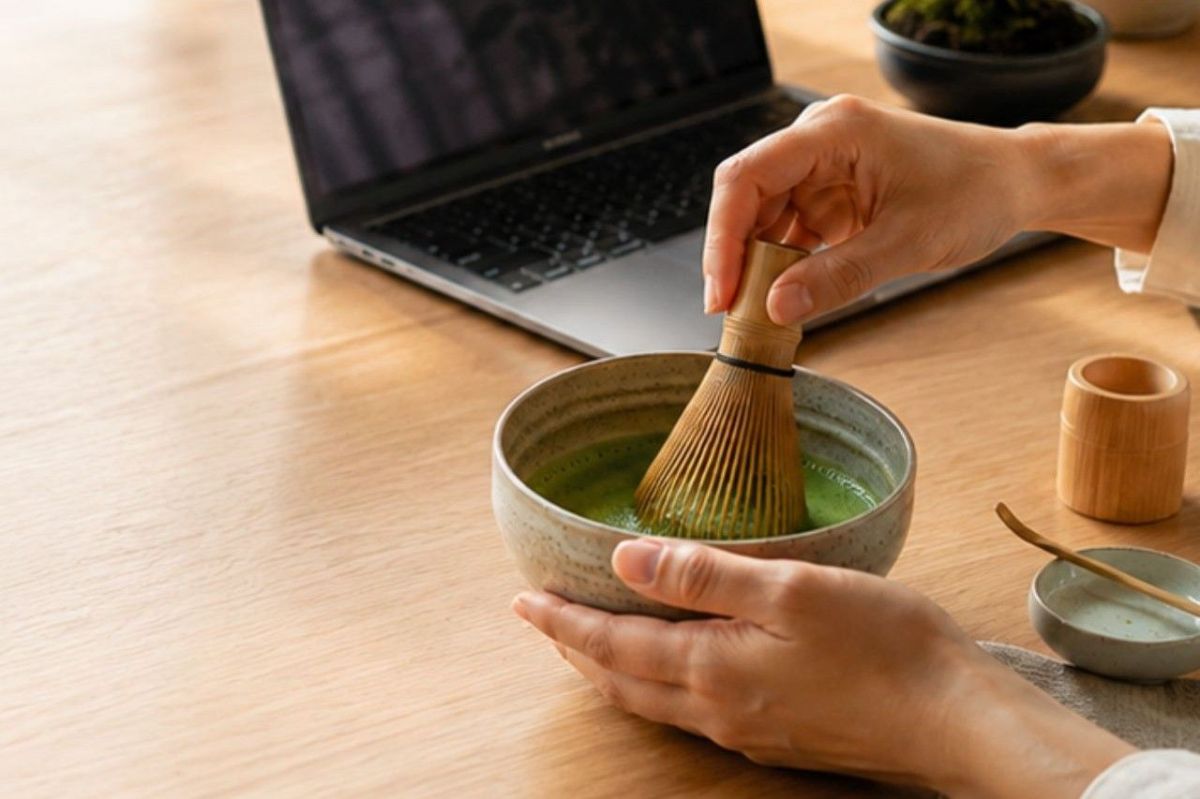
The Matcha Workshop was designed to support employee wellbeing through a simple and structured activity that encourages focus and presence. By engaging in the process of preparing matcha, employees were given an opportunity to slow down, step away from routine tasks, and pay attention to each moment with intention.
In addition to supporting mindfulness, the workshop introduced the philosophy of Ichigo Ichie, which emphasizes treasuring each moment as unique and unrepeatable. This perspective encouraged participants to remain present and recognize the value of giving attention to each step, rather than rushing toward results.
Through this activity, employees experienced how small, intentional actions can create meaningful change. The process proved that wellbeing can be supported through simple practices that promote awareness, calmness, and balance within daily work routines.
Kaizen: Matcha and Organizational Work
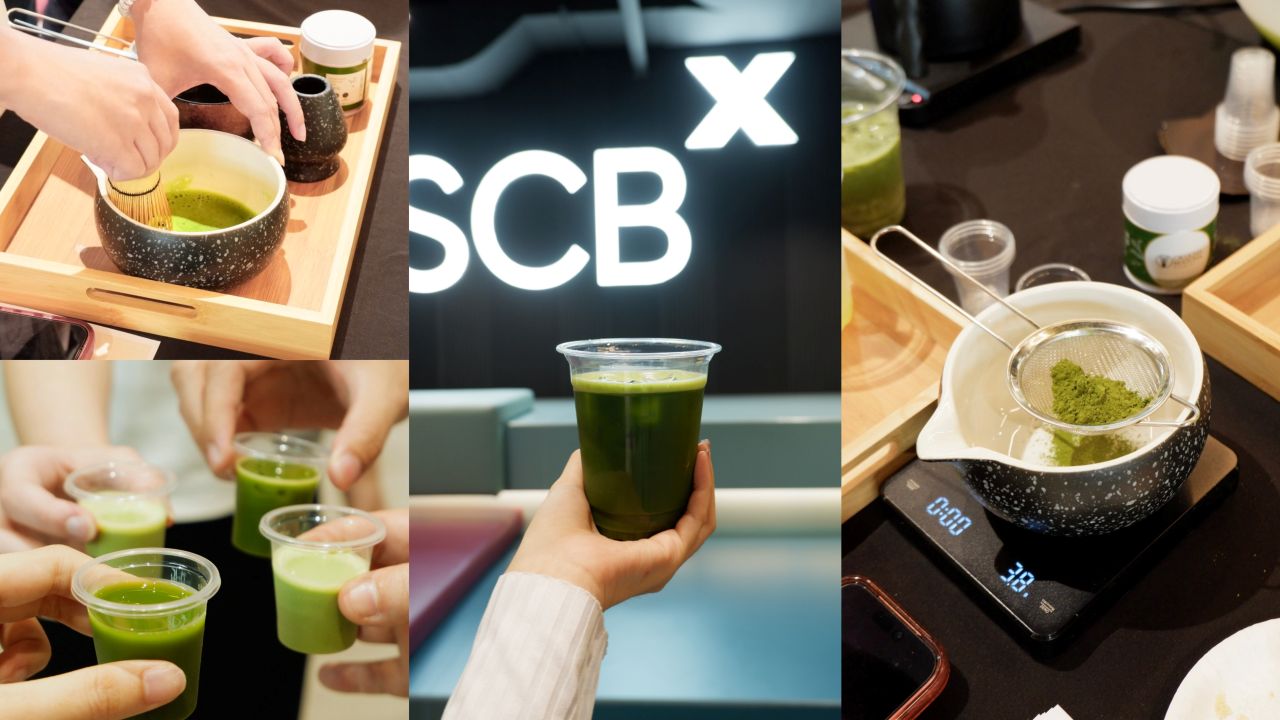
The Matcha workshop connected the matcha preparation process with the philosophy of Kaizen, which focuses on continuous improvement through small and consistent changes. Participants observed how minor adjustments—such as water temperature or whisking technique—could influence the final outcome. This highlighted how attention to detail and repeated practice can lead to gradual improvement.
To connect this experience with daily work, the Plan – Do – Check – Act (PDCA) cycle was introduced as a practical framework:
- Plan — Understanding the tools, process, and key factors before starting, reflecting the importance of preparation and clarity.
- Do — Performing the process according to defined steps, while keeping consistency and attention to detail.
- Check — Reviewing the results and finding areas that can be improved through observation and feedback.
- Act — Applying small adjustments and refining the process to achieve better results in future attempts.
This structured approach showed that improvement can begin with small, manageable changes that are consistently applied over time.
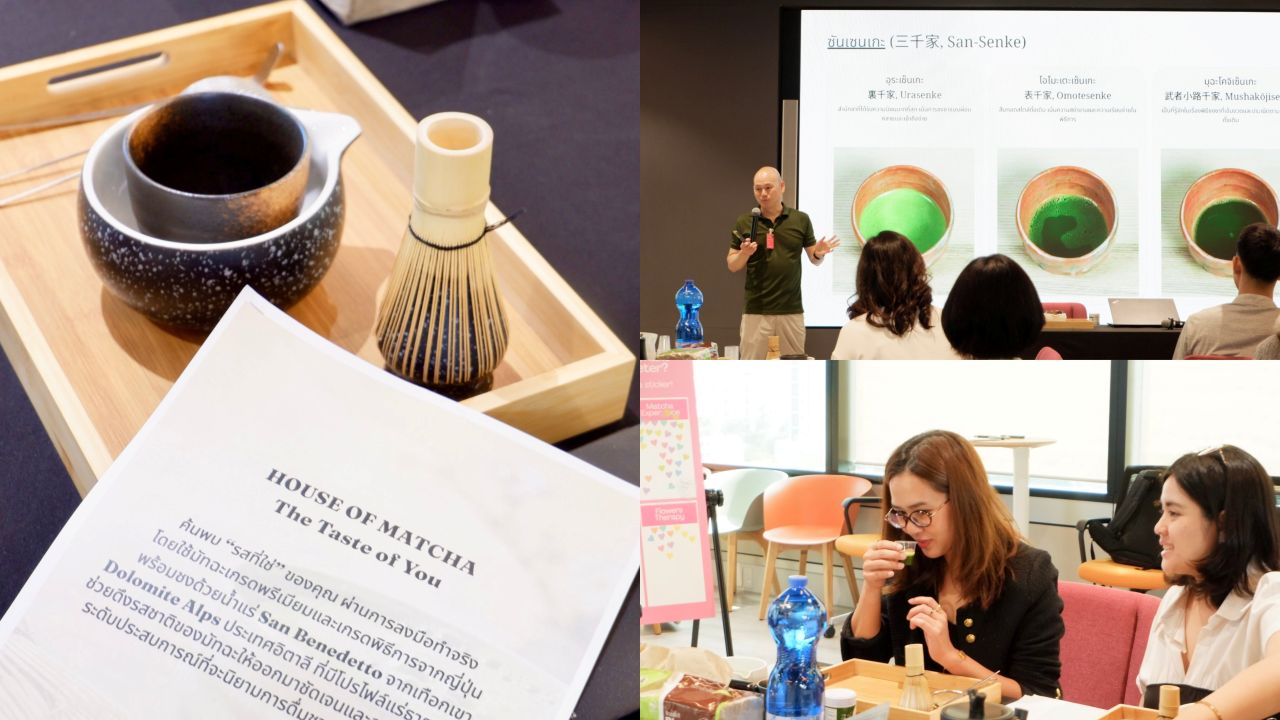
Outcomes: Wellbeing and Employee Experience
The workshop provided employees with a dedicated moment to pause and focus on a calm, structured activity that supports mental wellbeing. By concentrating on a simple process, participants were able to reduce tension, keep focus, and reconnect with the present moment.
The session also created opportunities for reflection and open feedback. Participants learned from one another and recognized the value of small improvements that lead to better outcomes. This collaborative environment strengthened individual awareness and team connections, while also promoting a positive workplace culture that supports a sustainable and supportive work environment in the long term.
Writer: